Fun Learn to Read Games Kids Enjoy
Make learn to read fun with easy tools kids love and moms trust. Read more to find simple picks that make learning stick.
Why is learning to read harder for parents than kids it feels like? My daughter needed some extra help, so I started grabbing random workbooks and flash cards hoping something would finally click, and most of them just sat in a pile after one try. What actually worked was mixing in a few fun tools that felt more like play than practice, and suddenly my kids were asking to do reading time without a fight. That’s what I’m sharing today. Let’s get to it!
How to Make Learning to Read at Home Feel Easier
Disclaimer: This post contains affiliate links. For more information, see my disclosures here. As an Amazon associate, we earn from qualifying purchases.
Keep it short and doable
Kids lose focus quickly, so shorter sessions tend to go much smoother than trying to stretch things out too long. A few five to ten minute pockets throughout the day usually build more confidence than one long sit down. It also helps to keep materials nearby so you can grab something quickly without turning it into a whole production. Having a simple routine, like after breakfast or before bed, makes it feel more natural instead of forced.
Make it feel like play instead of work
Most kids are more willing to join in when learning looks like a game instead of a lesson. Hands on tools like matching games or pop style toys keep their attention longer and make the time feel lighter. Letting them show you what they know adds a little confidence boost and keeps them engaged. Rotating different types of activities helps prevent boredom and keeps things feeling fresh.
Follow their interests
Kids are much more likely to stick with something when it includes characters or themes they already love. Switching out tools every few days can help avoid that burned out feeling that happens fast with repetition. Giving them a choice in what they use makes them feel involved instead of directed. Even small wins are worth celebrating because they help keep the momentum going.
Keep expectations realistic
Progress can feel slow at times, and that is completely normal during this stage. Some days go smoothly and others do not, and that does not mean anything is going wrong. Focusing too much on what other kids are doing usually leads to frustration, so it helps to stay in your own lane. Building confidence early tends to matter more than trying to move too quickly.
How to Build a Simple Learn to Read Routine
Start with familiar words
Starting with sight words gives kids a quick win because they begin to recognize words they see often. Repetition helps build that memory without making it feel overwhelming when it is kept simple. Flash cards are easy to use in small moments, especially when you only have a few minutes. Keeping a small stack in places like the kitchen or car makes it easier to fit in practice without planning ahead.
Add phonics slowly
Introducing phonics a little at a time keeps it from feeling confusing or rushed. Focusing on word families helps kids notice patterns and makes reading feel more predictable. Building words together adds a hands on element that feels more engaging than memorizing. Pairing sounds with visuals also helps reinforce what they are learning.
Use hands on tools
Tactile learning tends to hold attention longer, especially for younger kids who need to stay busy. Games that involve touching, matching, or popping give them something to do while they are learning. Mixing these tools with books keeps things balanced and prevents it from feeling repetitive. Using different formats also helps reach kids who learn in different ways.
End with something fun
Wrapping up with a game or favorite activity helps keep the overall experience positive. It creates a simple reward at the end that kids start to look forward to. Over time, that connection makes reading feel like a good part of their day instead of something they avoid. Even a quick win at the end can shift their attitude in a really noticeable way.
Learn to Read Must Haves
Disclaimer: This post contains affiliate links. For more information, see my disclosures here. As an Amazon associate, we earn from qualifying purchases.
Here are some of our favorite tools:
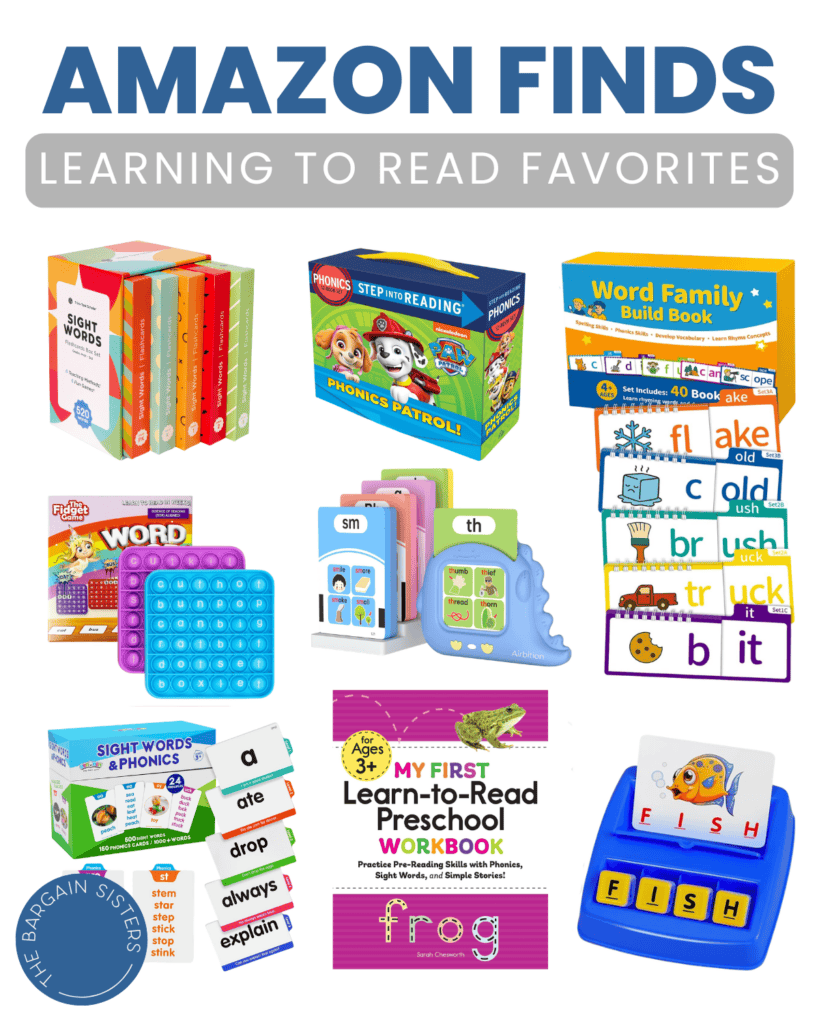
- Phonics Flash Cards Word Family Build Book – This set makes phonics feel approachable by breaking words into simple patterns kids can actually see and build. It is especially helpful for kids who struggle with sounding things out because it gives them a clear way to connect letters into real words. Moms love this one because it turns learning into something interactive without needing a lot of setup.
- My First Learn to Read Preschool Workbook – This workbook is perfect for easing into reading with simple exercises that do not feel overwhelming. It combines tracing, sight words, and short activities that keep kids moving without getting bored. It is a great option to leave out on the table for quick practice moments throughout the day.
- BenBen 650 Sight Words and Phonics Flash Cards – This set gives you a huge variety of words so you can grow with your child instead of needing to replace it quickly. It covers both sight words and phonics, which makes it a practical all in one option. Moms love having everything in one place without needing multiple sets.
- Phonics Talking Flash Cards for Toddlers – These cards add sound to the learning process, which is a big help for kids who learn better by hearing. It gives instant feedback and keeps kids interested longer than standard flash cards. This is especially helpful when you need something your child can use more independently.
- Paw Patrol Phonics Box Set – If your child loves Paw Patrol, this set makes reading feel exciting instead of intimidating. Familiar characters keep kids engaged while they practice early reading skills. It is a great way to sneak in learning during quiet time or before bed.
- Award Winning Sight Words Flash Cards – These are straightforward and easy to use, which makes them perfect for quick practice sessions. The design keeps things clear without distractions, helping kids focus on recognizing words faster. They are a solid staple to keep in your rotation.
- The Fidget Game Word Pop – This one blends learning with play by using a pop style board that kids already love. It turns spelling and word building into a hands on activity that keeps them engaged. Moms love it because it feels like a break while still reinforcing skills.
- Matching Letter Game – This game helps kids connect letters and sounds in a way that feels like a puzzle. It encourages problem solving while building early reading skills. It is a great option for younger kids just starting out.
These learn to read tools make it easier to fit reading into your day without turning it into a struggle. They keep kids interested, build confidence, and give you simple ways to support learning without overcomplicating it. If you have been feeling stuck, starting with just one or two of these can make a noticeable difference right away. Which one do you think your child would actually sit down and use this week?
More Back to School Tips
If you enjoyed these ideas, make sure to pin the image below to reference later!

By Cassie & Ali – Bargain-hunting sisters and moms helping 500,000+ families save money since 2019.
Last Updated: