The Butter Crock That Keeps Our Butter Soft and Fresh
A butter crock keeps butter spreadable on the counter. Here’s how the water seal works, and the USDA timeline nobody selling these will tell you about.
TL;DR
The Butter Crock That Keeps Our Butter Soft and Fresh
What Is a Butter Crock and How Does the Water Seal Work?
Disclaimer: This post contains affiliate links. For more information, see my disclosures here. As an Amazon associate, we earn from qualifying purchases.
A butter crock is worth it if you are tired of tearing toast with cold butter or melting a stick in the microwave. The water seal keeps butter covered and spreadable on the counter, and it solves a small daily annoyance well. Ours has lived beside the toaster all summer, and there is a food safety timeline worth knowing that most butter crock listings quietly skip.
What It Is (And Why You Need It)
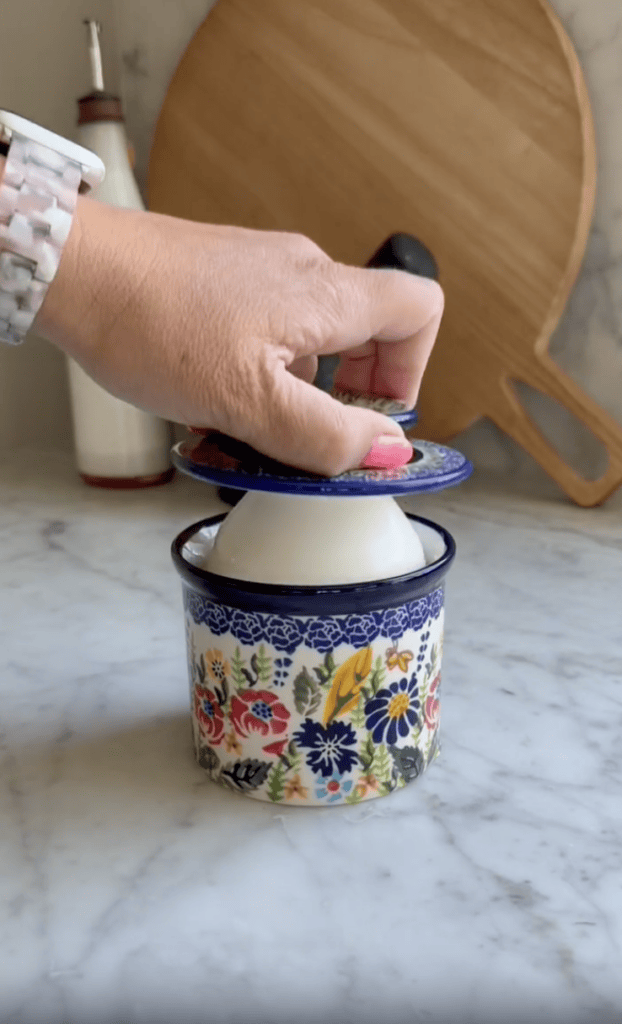
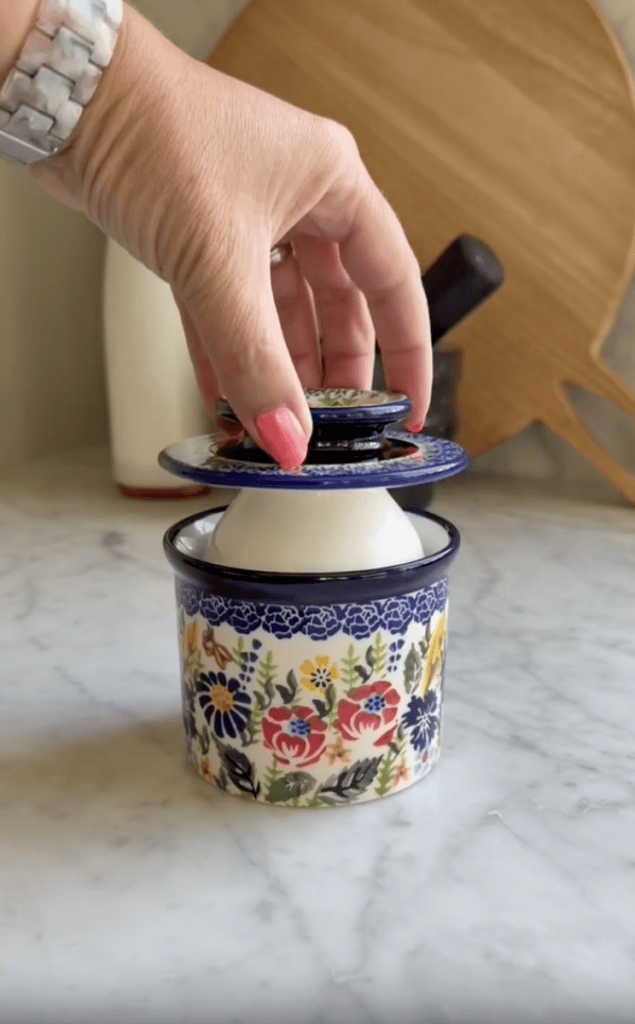
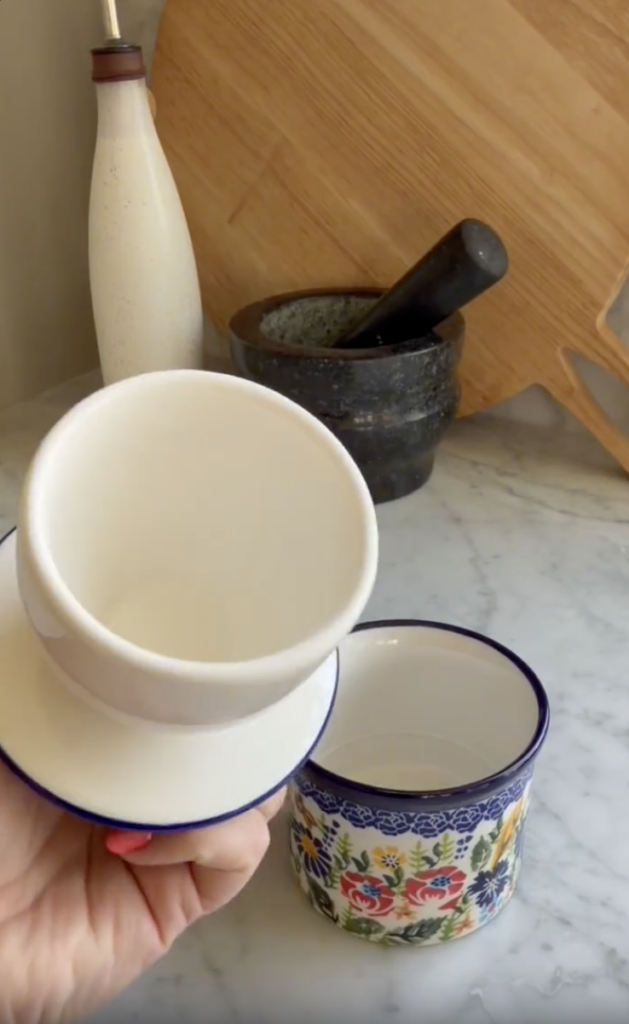
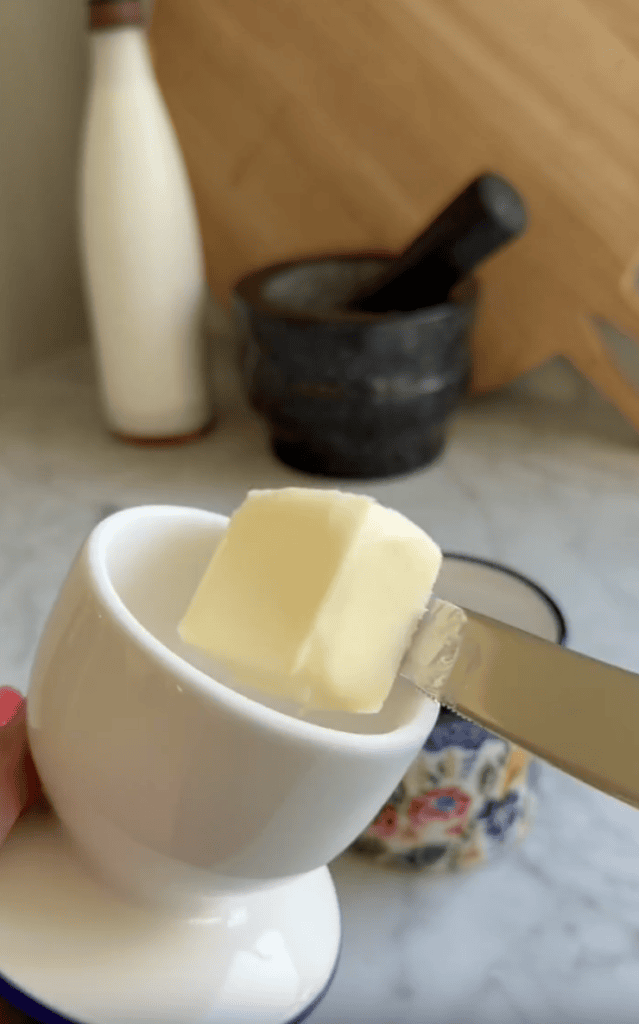
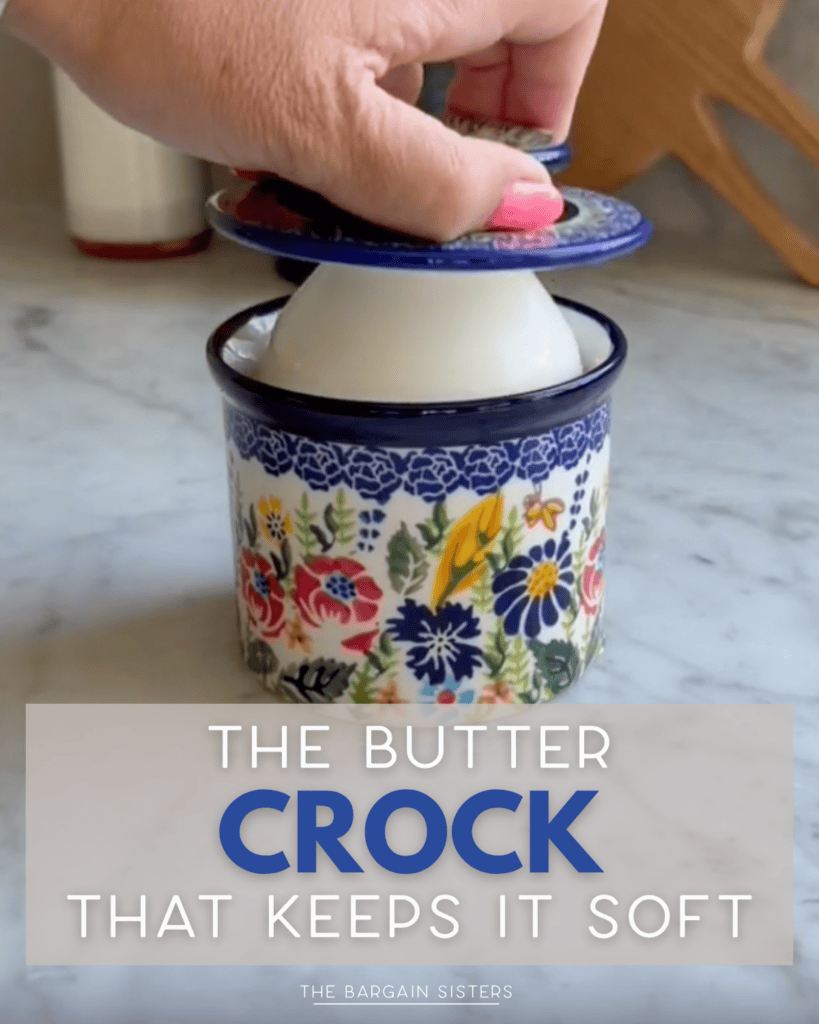
The butter crock is a ceramic French-style butter keeper with a water-seal design, sized for about a stick of butter. This two-piece ceramic dish is where butter packs into an inverted lid and that lid sits in a small reservoir of water in the base. The water forms a seal that keeps air off the butter. Air is what causes the problem. Exposed butter on a counter oxidizes, which is what produces that stale, slightly off taste on the outside of a stick that has been sitting in a dish. The water seal blocks air contact while leaving the butter at room temperature. That is the mechanism, and it is a genuinely clever piece of design that predates refrigeration.
Why We Love it
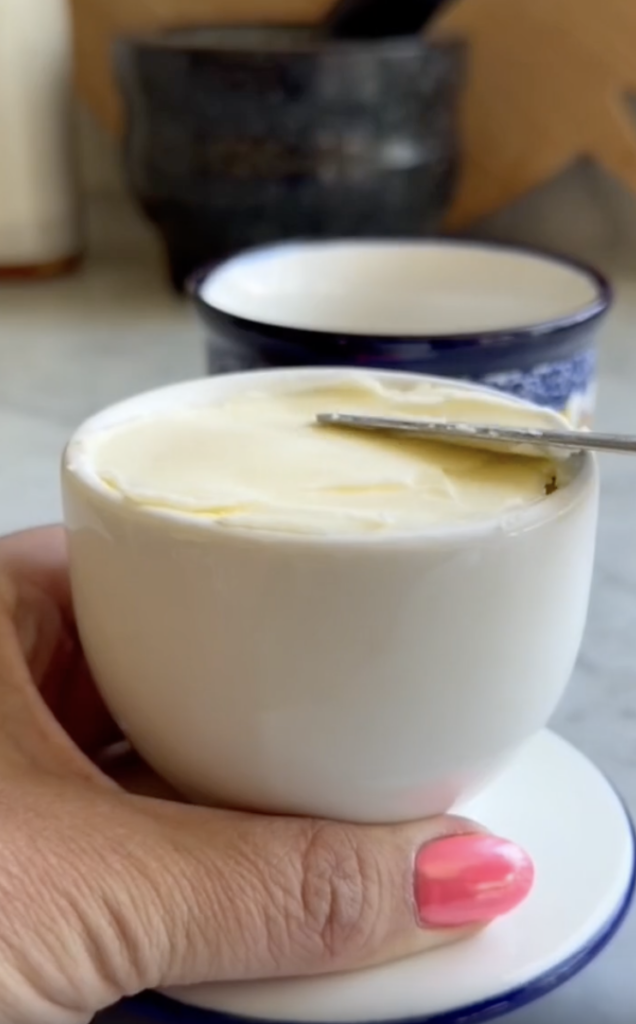
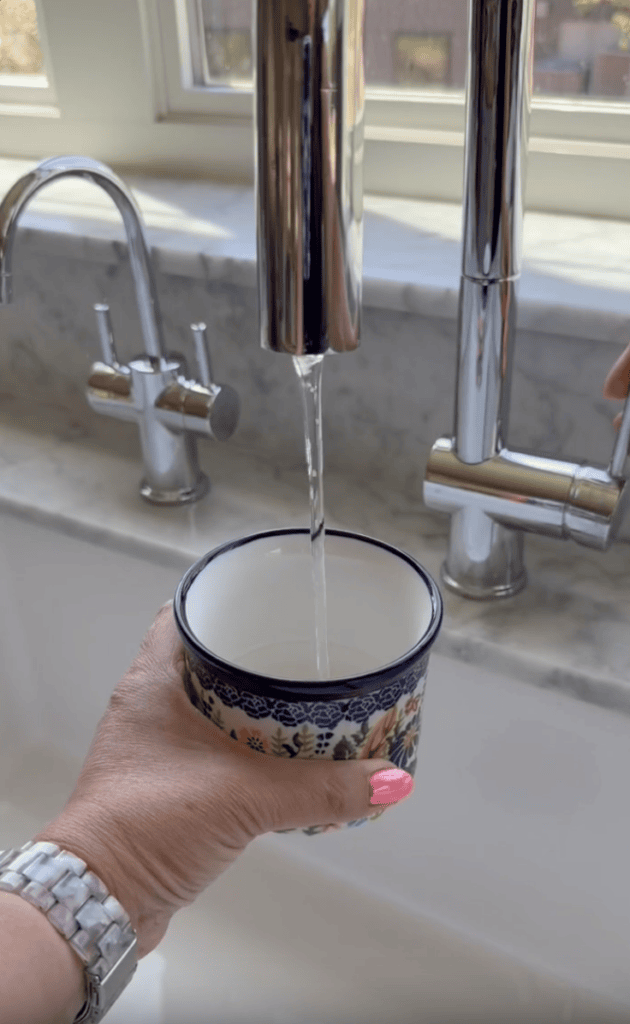
- Butter is spreadable the moment you want it, with no microwave and no waiting
- The water seal genuinely keeps butter tasting fresher than an open butter dish
- No more torn toast, which sounds trivial until you stop doing it
- Ceramic looks like something you want on the counter rather than a gadget
- Keeps dust, crumbs, and kitchen flies off the butter
- Costs less than a year of butter you threw out because it went stale in a dish
Pros and Cons
Pros
- Butter is spreadable on demand with no microwave
- Water seal blocks air, which slows the stale, off taste
- Keeps butter covered against dust, crumbs, and insects
- Looks like a ceramic piece rather than a kitchen gadget
- Holds about a stick, which happens to match a sensible refill cycle
Cons
- Water needs changing every few days
- Salted butter only, and unsalted should stay refrigerated
Bonus Tips… What you didn’t see in the reel 👀
- Change the water every two to three days, and do it on a schedule rather than when you remember. Stagnant water in the base is the failure mode nobody mentions, and it undoes the entire point.
- Pack the butter into the lid firmly with the back of a spoon. Air pockets in the packed butter defeat the seal from the inside, which is why some people find theirs goes off faster than expected.
- Use salted butter, full stop. Unsalted lacks the preservative effect and belongs in the fridge.
- Put the whole thing in the refrigerator during a heat wave. Ours moved to the fridge for two weeks in July, and that is not a failure of the product, it is using it correctly.
- Fill it with a few days of butter rather than a full stick if you are light butter users. Matching the amount to your actual consumption is the simplest way to stay inside the guidance without thinking about it.
Where To Get it
The butter crock is available on Amazon with Prime shipping.
Frequently Asked Questions
USDA guidance is one to two days at room temperature, and a crock does not officially extend that. What the water seal does is block air, which slows the off flavors that develop from oxidation.
Yes, in practice. Salt acts as a preservative, and unsalted butter should be refrigerated rather than kept on the counter.
Every two to three days. Stagnant water in the base is the most common way a butter crock ends up worse than a simple covered dish.
No. Michigan State University Extension notes that margarine is not compositionally the same as butter and should not be stored at room temperature.
Guidance generally assumes below about 70°F. In a warm kitchen or a hot summer, the sensible move is to put the whole crock in the refrigerator.
If you have been on the fence, this one is worth it if you butter toast most mornings and your kitchen stays cool. Buy it for spreadable butter and better flavor, refill it every couple of days, and do not treat it as a way around the food safety timeline, because it is not one. Grab a crock before the baking season starts.
More Reviews You’ll Love
Want to save this to remember later? Make sure to pin the image below!


By Cassie & Ali – Bargain-hunting sisters and moms helping 500,000+ families save money since 2019.
Last Updated: