Why We Swapped Plastic for Glass Storage Containers
Glass produce storage containers stop the crisper drawer graveyard. Here’s what actually extends shelf life, what glass does not do, and the honest tradeoffs.
TL;DR
Do Glass Storage Containers Keep Produce Fresh Longer?
What Are Glass Produce Storage Containers?
Disclaimer: This post contains affiliate links. For more information, see my disclosures here. As an Amazon associate, we earn from qualifying purchases.
Glass produce storage containers are worth it if you keep buying berries and greens with good intentions and throwing half of them out on Sunday. They keep produce visible instead of buried, they wash clean without holding stains or smells, and they move the food out of the drawer nobody opens. Ours have been through a year of spinach, strawberries, and cut melon, though the honest version is that the container is only half of what keeps produce alive.
What It Is (And Why You Need It)
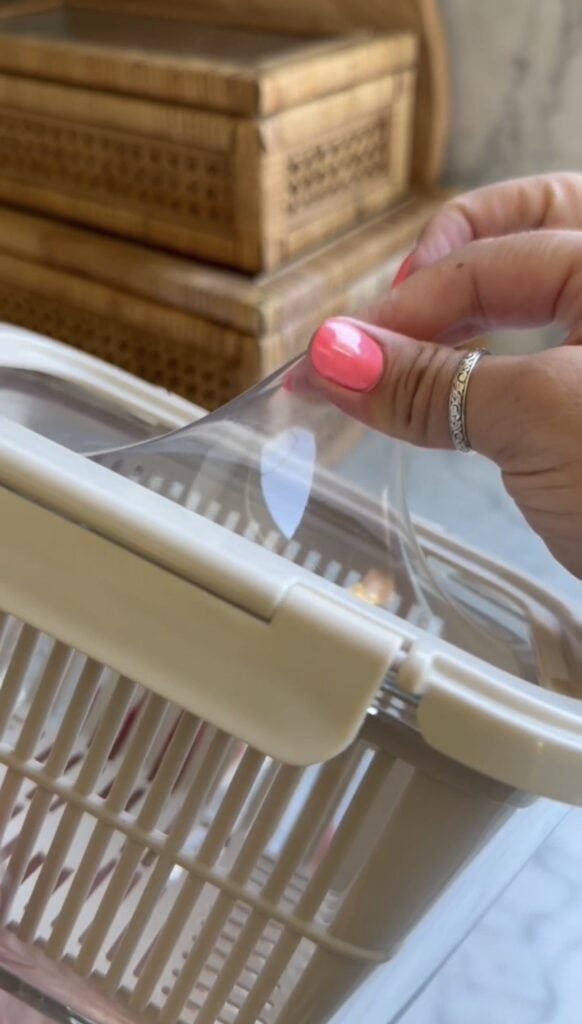
This set is a group of tempered glass containers with sealing lids, marketed for produce storage. Glass produce storage containers are tempered glass containers with sealing lids, sized and shaped for fruit and vegetables rather than for a portion of chili. The difference from a general storage set is what they are meant to hold and where they are meant to sit.
Why We Love it
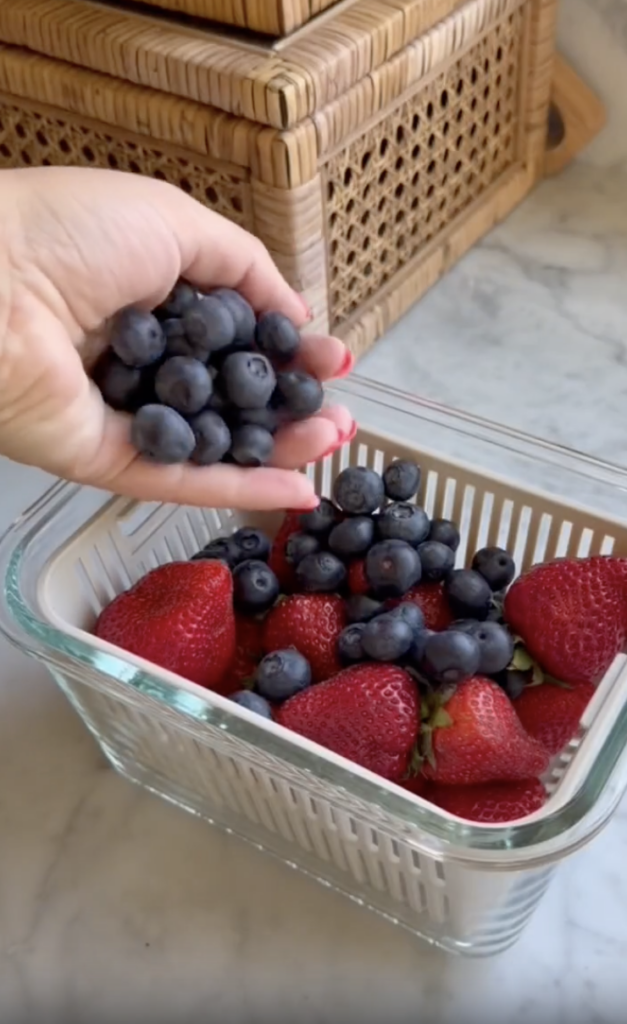
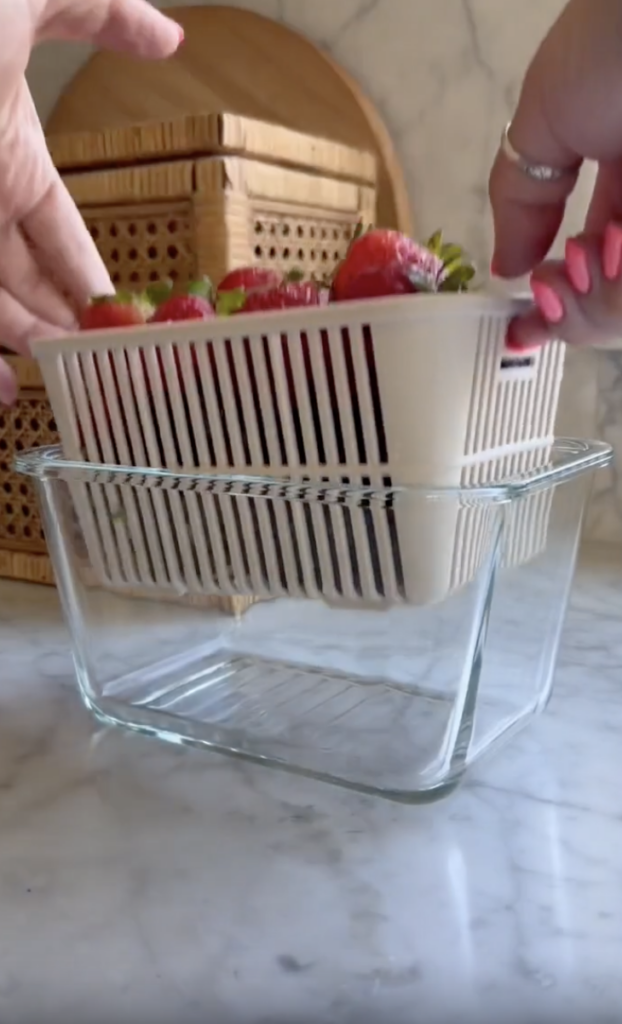
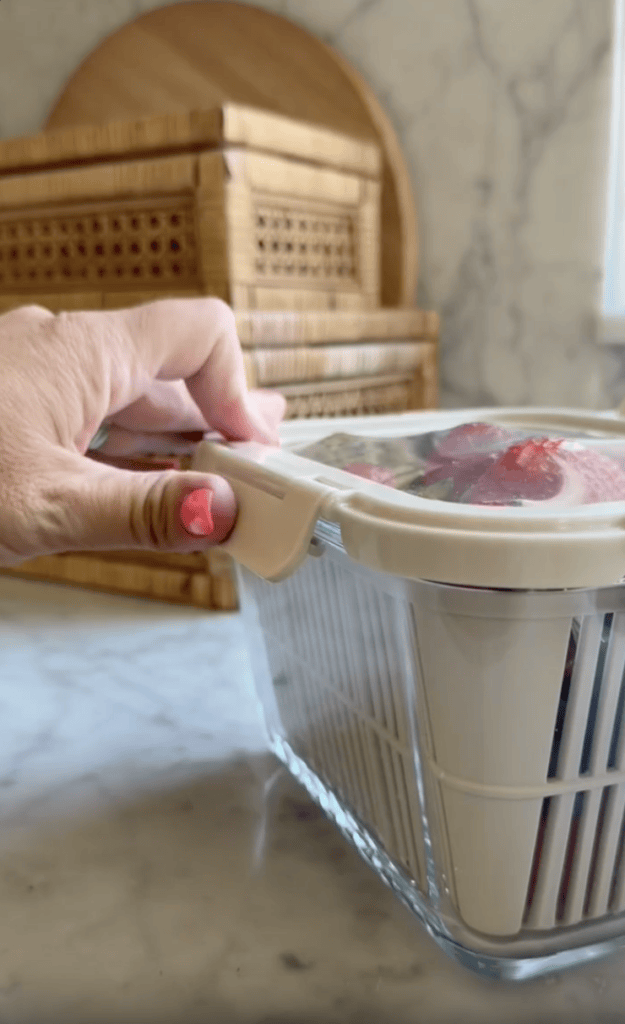
- Clear glass at eye level means the berries get eaten instead of found
- No staining from beets, turmeric, or berry juice, which permanently marks plastic
- No smell transfer, so nothing holds onto the memory of a bag of spinach that turned
- Washes at dishwasher temperature without warping or going cloudy
- Sturdy enough to hold shape, so nothing gets crushed under the milk
- Stops being a recurring purchase, unlike the plastic bins we kept replacing
Pros and Cons
Pros
- Clear sides keep produce visible, which is what actually stops it being wasted
- No staining from beets, berries, or turmeric
- No odor carried between batches
- Washes hot without warping, clouding, or losing lid fit
- Rigid enough that nothing gets crushed on a packed shelf
- Stops being a repeat purchase
Cons
- Glass does nothing for moisture control, which is the real driver of produce shelf life
- Breakable, so these are not going in a lunchbox or a beach bag
Bonus Tips… What you didn’t see in the reel 👀
- Put a folded paper towel in with greens and change it when it is damp. Glass does not manage moisture, and the towel is the thing actually buying you the extra three days.
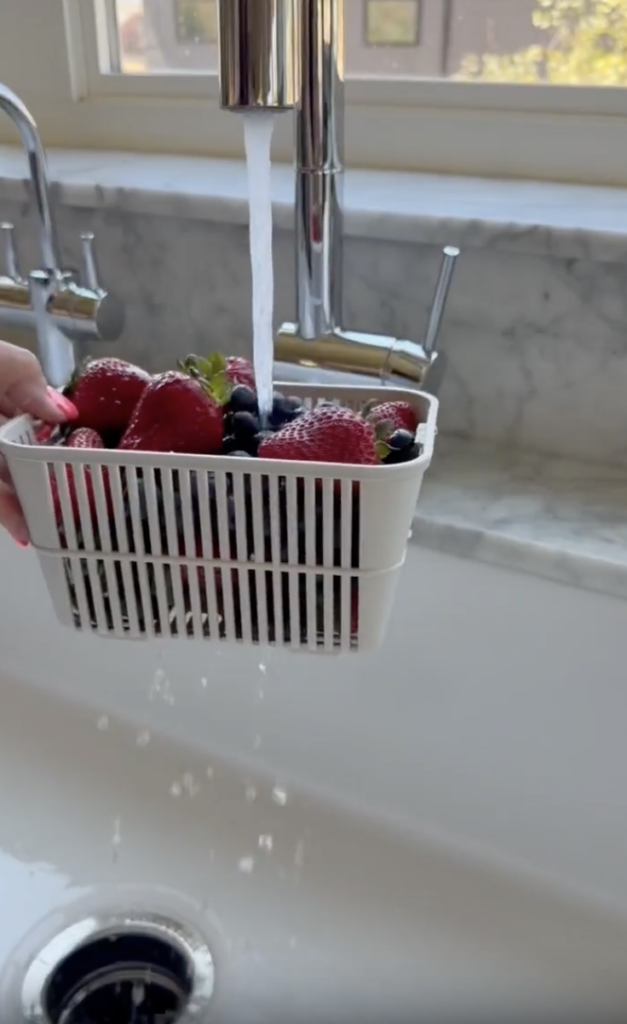
- Do not wash berries until the day you eat them. Water on the skin is what turns a good container of strawberries into a moldy one, and no container fixes that.
- Store them on a shelf at eye level, not in the crisper. The whole benefit of clear glass disappears the moment you put it back in the drawer, which is the mistake we made for the first month.
- Leave the lid slightly loose on anything that keeps ripening. Bananas, avocados, and stone fruit put off gas, and a sealed container speeds them up rather than slowing them down.
- Check for replacement lids before you buy the set. One cracked lid on a set with no replacements retires a perfectly good container.
- Keep a couple of plastic or silicone pieces for lunchboxes and potlucks. Going all-glass sounds tidy and is not how it plays out.
Where To Get it
The glass produce storage container set is available on Amazon with Prime shipping.
Frequently Asked Questions
Indirectly. They keep produce visible so it gets eaten, and they wash clean without holding stains or smells. Glass does not control moisture, so use vented lids if the set has them or add a folded paper towel to greens.
It depends on the produce. Leftovers want an airtight seal, but most greens want humidity with airflow, and berries want to stay dry. A fully sealed container will make greens slimy faster than a vented one.
For durability, yes. Glass does not stain from beets or berry juice, does not hold onto the smell of spinach that turned, and does not warp in the dishwasher. Plastic is still lighter, cheaper, and better for lunchboxes.
USDA estimates food waste at 30 to 40 percent of the U.S. food supply, and ERS found consumer-level losses of 21 percent of the available supply, more than double the loss at retail. Vegetables were the second largest category by value.
Generally yes for the glass, and check the lid, since silicone gaskets and plastic lid components vary. Never move a container straight from a cold fridge into a hot oven, because thermal shock is what cracks glass.
If you have been on the fence, this one is worth it if you keep throwing out produce you meant to eat. Buy it for visibility and for the end of the stained plastic cycle, put the containers on a shelf rather than in the drawer, and add a paper towel to the greens, because the container alone will not do it. Grab a set before the next grocery run.
More Reviews You’ll Love
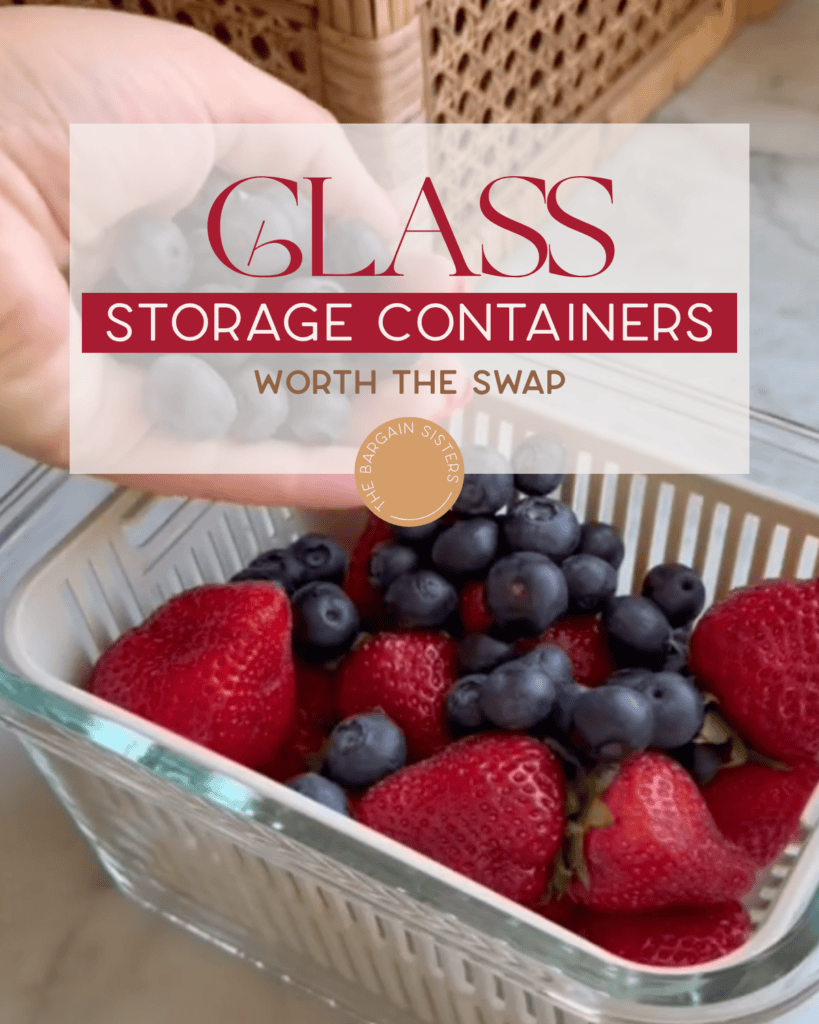
Want to save this to remember later? Make sure to pin the image below!

By Cassie & Ali – Bargain-hunting sisters and moms helping 500,000+ families save money since 2019.
Last Updated: