Are Alphabet Learning Toys Worth Buying for Preschoolers?
These dinosaur alphabet learning toys teach letter recognition by matching uppercase and lowercase. Here’s whether they’re worth it, from two moms.
TL;DR
Alphabet Learning Toys (Edumoteso Dinosaurs)
How Do These Alphabet Learning Toys Work?
Disclaimer: This post contains affiliate links. For more information, see my disclosures here. As an Amazon associate, we earn from qualifying purchases.
These alphabet learning toys are worth it if your little one loves dinosaurs and you want letters to feel like play, not a lesson. Each dinosaur splits into an uppercase half and a lowercase half, and your child matches the two to build the dino, learning their letters without realizing it. They are one of the easiest screen-free learning toys we have handed a toddler. The set is the Edumoteso dinosaurs, 26 in all for the whole alphabet. Match the cases, snap the dino together, and play.
What It Is (And Why You Need It)
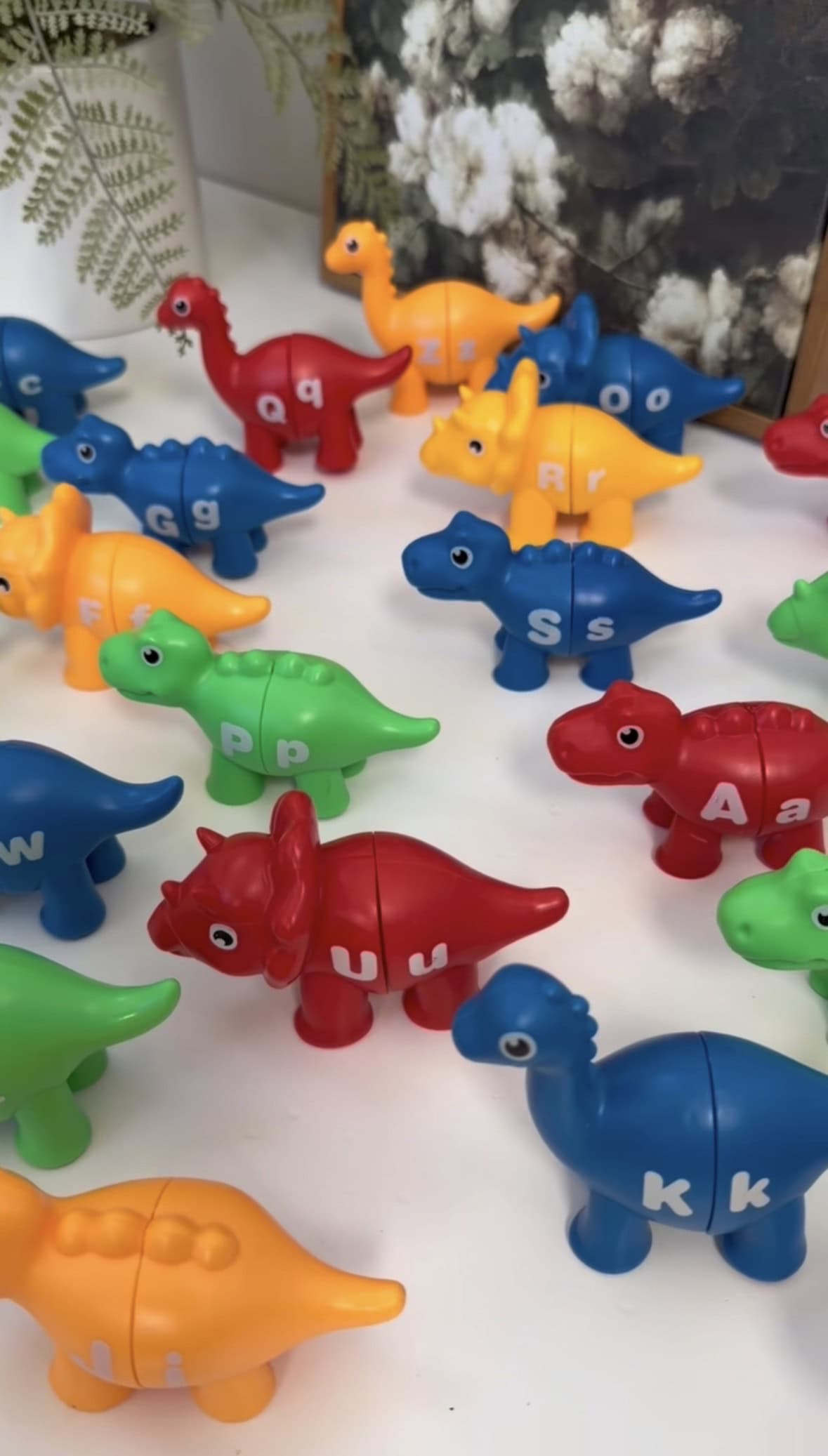
These are the Edumoteso dinosaur alphabet learning toys, a 26-piece set covering the whole alphabet. Each dinosaur splits into an uppercase top and a lowercase bottom, and kids match the cases to put each one together. They come in a few dinosaur shapes and colors, so you can also use them for color sorting, and the pieces are sturdy plastic with smooth edges, big enough for little hands to pull apart and snap together on their own.
You need them because matching uppercase to lowercase is exactly the skill that gets letters to stick, and doing it with dinosaurs keeps a 3-year-old at it far longer than flashcards ever would.
That early practice matters more than it looks. Alphabet knowledge, knowing letter names and sounds, is one of the strongest and most consistent predictors of later reading success, according to the National Early Literacy Panel (2008). A toy that makes letters fun is doing real groundwork.
Why We Love it
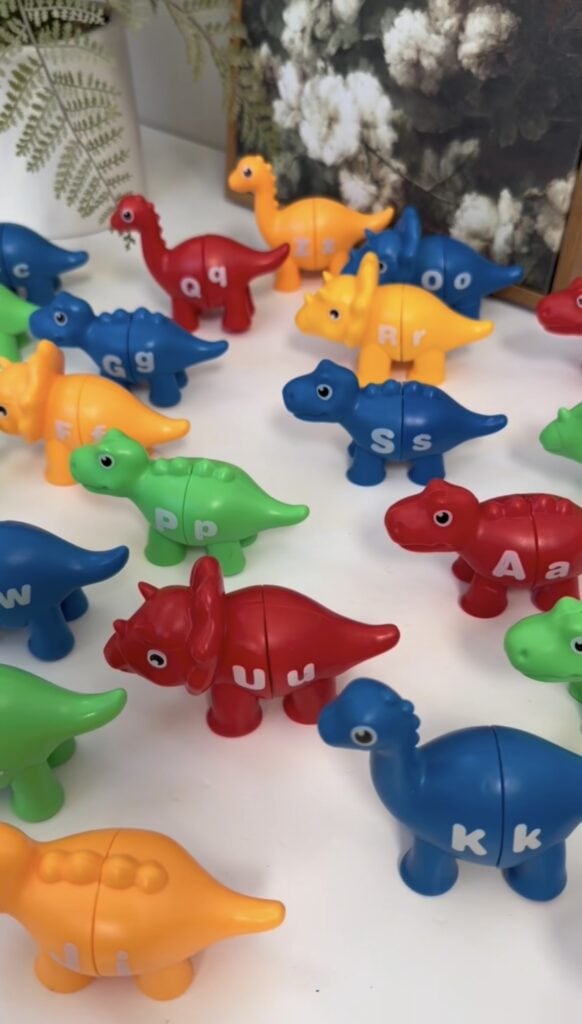
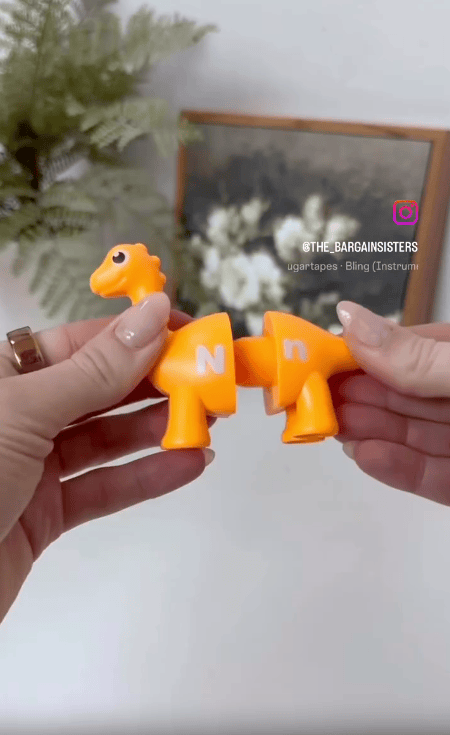
- Kids match uppercase to lowercase to build each dino, which is the exact skill that makes letters stick.
- It is completely screen-free learning that feels like play.
- Pulling the pieces apart and snapping them together builds fine motor skills too.
- The dinosaurs come in different shapes and colors, so you can sort by color as well as letter.
- The pieces are sturdy and big enough for little hands, so a toddler can do it alone.
- It works at home, in preschool, or for homeschool, and makes a great gift.
Pros and Cons
Pros
- Teaches letter recognition through hands-on play, not drills.
- Screen-free and genuinely fun for dino-loving kids.
- Builds fine motor skills and color sorting at the same time.
- Sturdy, smooth pieces sized for little hands.
Cons
- It is a small-piece set, so it is meant for supervised play with the youngest kids.
- There are 26 little dinosaurs to keep track of, so a storage bag or bin helps.
- A child who already knows their letters cold may outgrow the matching quickly.
Bonus Tips… What you didn’t see in the reel 👀
- Start with just the letters in your child’s name. Matching the dinos that spell their own name first makes the whole set click faster.
- Say the letter sound out loud each time they match a pair. The toy teaches the shape, and you add the sound, which is the part that leads to reading.
- Keep them in a zip pouch or small bin. Twenty-six little dinosaurs scatter fast, and a missing half is a frustrated kid.
- Hide the lowercase halves around the room and have your child find the match for an uppercase letter. It turns review into a game on a restless day.
- Use the colors for younger toddlers who are not ready for letters yet. Sort the dinos by color first, then move up to letter matching later.
Where To Get it
You can grab these alphabet learning toys on Amazon, where Edumoteso sells the 26-piece dinosaur set. Check the current price on Amazon, since it changes from time to time.
Frequently Asked Questions
Yes, if you want letters to feel like play. Kids match uppercase to lowercase to build each dinosaur, which builds letter recognition and fine motor skills screen-free.
Amazon, where Edumoteso sells the 26-piece dinosaur set. Check the current price there, since it changes from time to time.
They suit toddlers and preschoolers, roughly 2 to 5. Younger toddlers can sort by color, and older kids can match the cases and learn letters.
Each dinosaur splits into an uppercase half and a lowercase half, so a child has to recognize that the two cases of a letter go together to build the dino.
They are sturdy plastic with smooth edges and sized for little hands, but they are small pieces, so the youngest kids should play with them supervised.
If you want letters to feel like play and you have a kid who loves dinosaurs, these are an easy yes. Match, build, and learn, all without a screen. Grab the set on Amazon before the next rainy day.
More Reviews You’ll Love
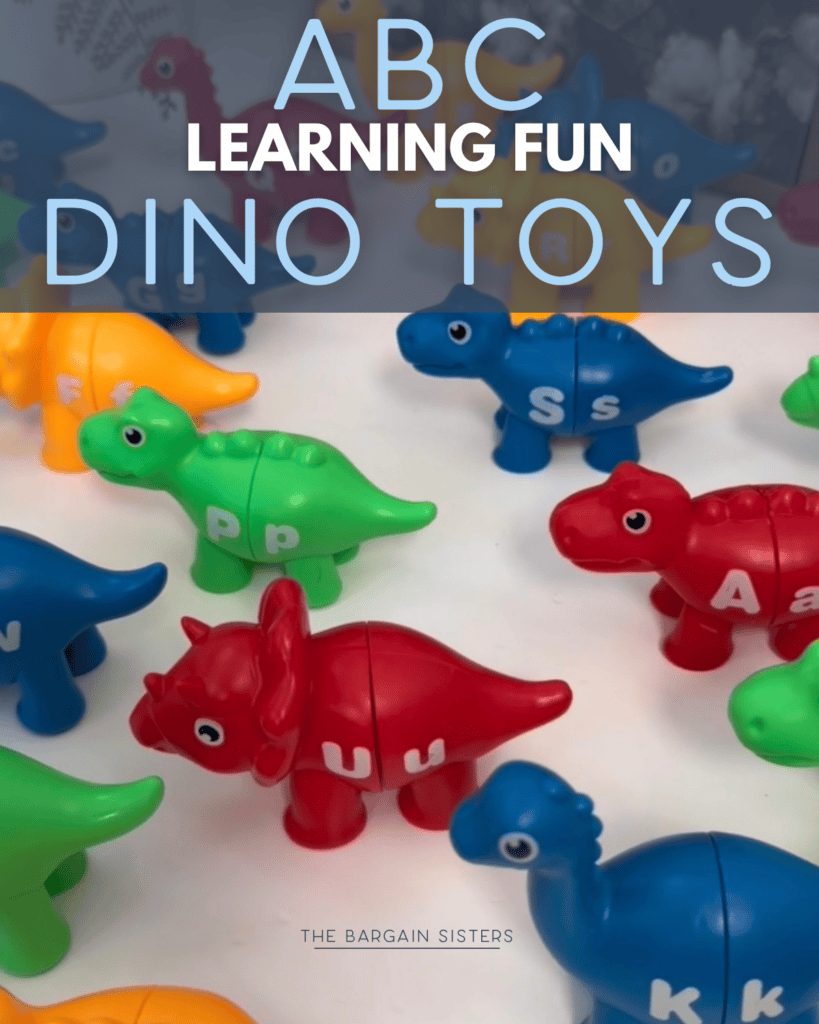
Want to save this to remember later? Make sure to pin the image below!

By Cassie & Ali – Bargain-hunting sisters and moms helping 500,000+ families save money since 2019.
Last Updated: